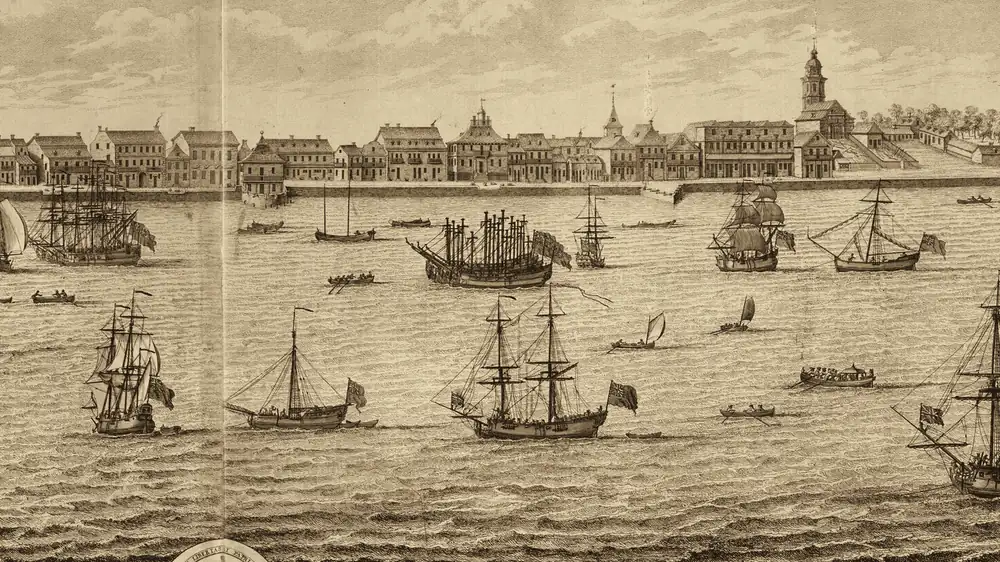
The buildings, projects, resources and threats of a port trying to endure.
| Item | Condition or purpose |
|---|
| The Old Fort | Fort Nassau overlooks the town; its walls are crumbling and few guns are serviceable. Its 1703 sacking left it in need of repair. |
| Waterfront Warehouses | Low coral-stone buildings, some half-finished or in poor repair, among tents, thatch huts, cook-fires, stalls and a molasses still. |
| Alannah’s East-Side Warehouse | Long, low coral-stone warehouse with heavy shutters, guards, a strongbox and maps; a major commercial store. |
| The Hog’s Head | Busy tavern and informal news exchange; a natural place for captains and townsfolk to meet. |
| The Long Jetty | The weathered main landing, for boats, cargo and public port rules. |
| Storehouses | Permanent, lockable storage inland from the waterfront, protecting cargo and provisions from weather and theft. |
| Careening Yard & Chandlery | Proposed yard on the Careening Beach with tackle, canvas, cordage, pitch and tar for ship maintenance. |
| Shipyard on the Careening Beach | Long-term project for repairing and building vessels; needs timber, iron, skilled carpenters and a careening yard. |
| Terraces & Irrigation | Agricultural works on the eastern slopes, using runoff and channels to grow more food locally. |
| Drying Racks & Smokehouse | Food preservation for fish and meat, to carry the port through shortages or blockade. |
| Second Landing | An extra landing and pilings to ease congestion among boats. |
| Lookouts & Signal Station | Proposed lookouts on the high ground and Hog Island, with flags by day and fires by night. |
| Doctor & Chapel | A proposed surgeon’s house and chapel, to make the settlement safer for long-term residents. |
| Item | General state |
|---|
| Timber | Needed for storehouses, fort repairs, ship work and irrigation; Andros and other Bahamian islands are likely sources. |
| Iron | Needed for fittings, nails, tools and shot; may come from prizes or northern merchants. |
| Canvas | Needed for sails, awnings and tents; trade and prizes are likely sources. |
| Powder | Essential for ships and fort defence; must be kept dry and replenished. |
| Water, salt & provisions | Nassau relies on wells, trade, fishing and preserved food. Local production matters if a blockade cuts supply lines. |
| Loyal, skilled hands | More than one ship and large civic projects need experienced sailors, carpenters, gunners and labourers. |
| Collapse from neglect | A town of poor buildings and weak stores is vulnerable to weather, hunger, disease, fire and loss of trade. |
| The King’s pardon | The pardon can draw crews away from the harbour and weaken the common defence. |
| Hornigold’s faction | Pardon-leaning captains may return with Crown commissions and knowledge of Nassau. |
| Informers in town | Merchants, taverns and out-island traffic carry news in both directions. |
| The next hungry squadron | A Royal Navy force and governor can threaten the harbour; Nassau’s channels are both a hazard and an escape route. |
| Spanish reprisal | Spanish patrols and the memory of the 1715 salvage raids make retaliation possible. |