The 1715 Treasure Fleet
Silver in the shallows.
The wiki mixes real history with the invented world of Free Nassau. Historical figures and dates are noted as such; invented characters, places and events belong to the game’s setting.
| At a glance | |
|---|---|
| Sailed | Havana, late July 1715 |
| Wrecked | Night of 30–31 July 1715, east coast of Florida |
| Commanders | Juan Esteban de Ubilla and Antonio de Echeverz |
| Losses | Most of about a dozen ships; roughly a thousand people drowned |
The flota system
For two centuries Spain moved the silver of Mexico and Peru to Europe in armed convoys. Ships gathered at Veracruz, Cartagena and Portobelo, met at Havana, and then rode the Gulf Stream north through the Florida Straits before turning east across the Atlantic. The system was slow, but it was meant to make the treasure too well guarded to take. During the long War of the Spanish Succession, sailings had been disrupted, and by 1715 a great deal of coin, bullion, jewellery and goods had accumulated in the Americas waiting to go home.
The hurricane
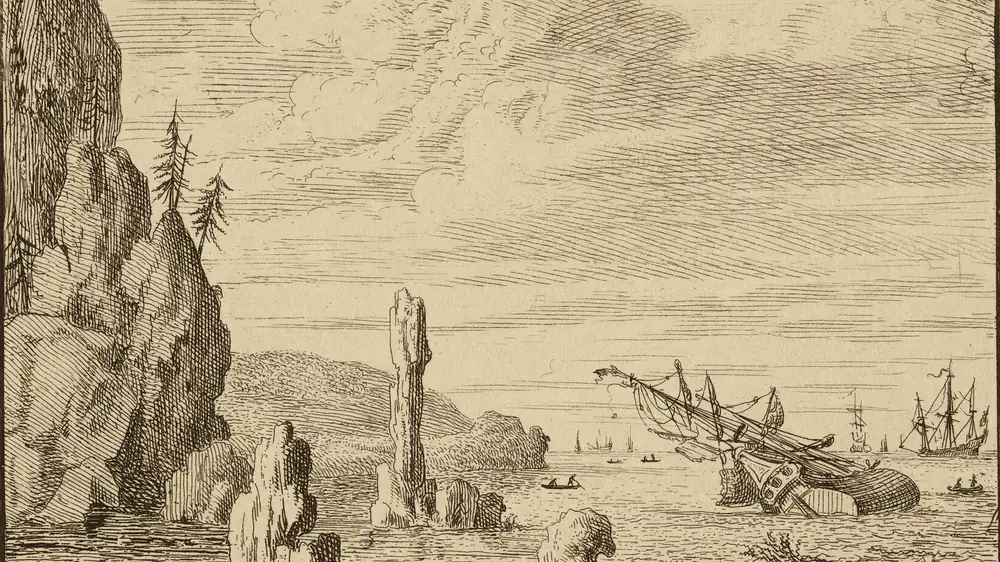
The combined fleet that left Havana in late July 1715 was under pressure to sail despite the season. It included the New Spain fleet under Juan Esteban de Ubilla and the Tierra Firme ships under Antonio de Echeverz, about a dozen vessels in all, together with a French ship, the Griffon, sailing in company. On the night of 30 to 31 July a hurricane caught them off the east coast of Florida. The ships were driven onto the reefs and shoals near the shore. Only the Griffon, which had kept farther out to sea, escaped. Around a thousand people are thought to have died, and survivors struggled ashore on a coast with no Spanish town nearby.
The salvage camps
The Spanish response was quick. Officials in Havana sent vessels, soldiers and divers, many of them enslaved men forced into the dangerous work of descending to the wrecks on a single breath. A camp was set up on the beach near the wreck sites, and recovered silver was stored there under guard while it waited for shipment to Havana. Over the following months a large part of the registered treasure was brought up, but not all of it, and news of the disaster spread around the Caribbean.
The raiders
To English seamen in Jamaica and the Bahamas, the Florida coast suddenly looked like a treasure house. Early in 1716 Henry Jennings, a privateer with backing from Jamaica, led a small flotilla against the salvage camp, overwhelmed the guards and carried off a large haul of silver. Other crews followed, some fishing the wrecks themselves, others raiding Spanish vessels coming and going. Many of these men could not safely return to Jamaica, where the governor faced Spanish protests, so they went to New Providence instead. Among those who began their careers on this coast was Charles Vane.
Consequences
The wreck of 1715 did more than any other single event to create the Nassau pirate haven. It brought silver, ships and hundreds of men to the Bahamas, and it gave Spain a grievance that lasted for years. Spanish authorities treated the raids as plain theft, and the memory fed later reprisals and plans to attack Nassau. Treasure from the 1715 fleet is still being recovered from the Florida coast today, which is why that stretch of shoreline is known as the Treasure Coast.
In Free Nassau
Act II of the voyage, The Treasure Coast, draws on this history: Spanish salvage, derelict wrecks worth diving, and a fortified guarda costa stockade at the end of the act. The setting’s World Threads include rumours of wrecks the Spanish salvors missed.